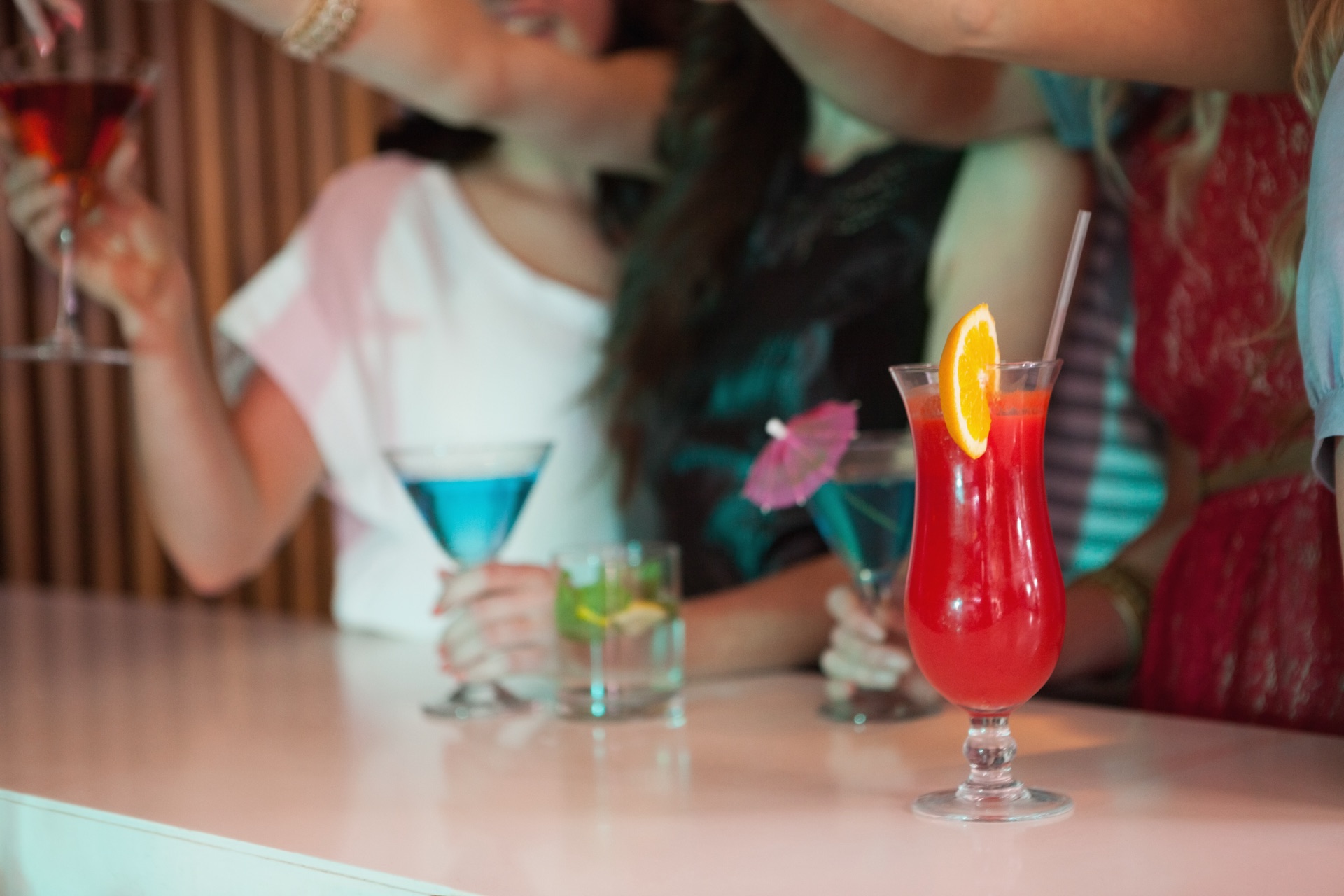
How to host a cocktail competition at home
Somebody in your group makes a great drink. Somebody else thinks theirs is better. There's exactly one way to settle this, and it involves a timer, a scorecard, and everyone else drinking the evidence.
Here's how to run a cocktail competition that's fair enough to argue about, loose enough to laugh through, and organized enough that the winning recipe doesn't vanish with the last pour.
What is a cocktail competition night?
A cocktail competition night is a party format where guests each make a drink to a shared brief, then everyone tastes and scores the entries to crown a winner. It borrows the shape of shows like Chopped and Cocktail Wars, scaled to a home bar and a group of friends.
First, pick your format
The right format depends on your headcount and how much structure your group enjoys. These five cover everything from a duo to a full house.
The signature drink contest (best all-around, 4 to 10 people)
The classic. Everyone invents or brings one drink, presents it with a name and a story, and the group scores every entry. It works because presentation is half the fun: the name, the pitch, the garnish somebody clearly practiced.
How to run it: cap entries at about six so palates survive. Small tasting pours for everyone, scores collected after each drink, totals at the end. No one votes for their own.
The mystery basket (for groups that like chaos, 3 to 8 people)
Chopped, but for drinks. The host assembles a "basket" for each player: one spirit and two or three mixers that must be used, plus a common pantry everyone can raid (citrus, syrup, bitters, garnish). Set a 20-minute timer. No searching for recipes. Judge what emerges.
How to run it: build baskets that are weird but survivable. A bottle, a fruit, something from the pantry nobody's touched. The stories are better when the baskets have teeth.
The three-round duel (for two competitors, everyone else judges)
The head-to-head format for the two people in your group who both think they're the bartender.
- Signature: both riff the same classic and present their take.
- Technical: identical recipe, one variable changed. Same drink, different bitters, different citrus, different spirit brand. Judges taste blind.
- Showstopper: free choice, biggest swing wins.
Friends judge every round. Best of three takes the title, and the loser buys the next bottle.
The riff-off (our favorite, any group size)
One base cocktail, posted where everyone can see it. Every player pushes it somewhere new: swap the spirit, flip a modifier, reinvent the garnish. Then you taste them side by side and the differences do the talking.
This is the most beginner-friendly competitive format there is, because nobody starts from a blank page. You start from a margarita that already works and make one confident change. More on that below.
The blind taste-off (for groups who take the judging seriously)
Entries go into identical numbered glasses. Nobody knows whose is whose, including the host if you can manage the logistics. Everyone ranks every entry, the rankings combine, and the reveal goes from last place to first.
Blind judging kills the friendship vote and the self-vote in one move. It also produces the single best moment a competition night can offer: someone confidently trashing a drink that turns out to be their own.
What you'll need
- The bar. You don't need twenty bottles. A spirit or two per player, the workhorse modifiers, fresh citrus, and syrup cover most formats. Full shopping strategy in our home bar guide.
- Small cups or glasses. Tasting pours, about two ounces. Everyone tastes everything without anyone regretting round four.
- A timer everyone can see.
- A way to score. Cards, phones, or the scoring table below.
- Food. Not optional. Real snacks between rounds keep palates and people functional.
The rules (copy these)
- Set a time limit per round: 15 to 20 minutes builds urgency without panic.
- Must-use ingredients are must-use. Judges verify.
- Entries are presented with a name. Naming rights are half the sport.
- Tasting pours only, about two ounces per judge.
- Nobody votes for their own drink.
- The host breaks ties, or the host can't win. Pick one and announce it up front.
- Zero-proof entries compete on equal footing.
- The winning recipe gets written down before the night ends. This rule exists because every group learns it the hard way.
Scoring that's fair enough to argue about
Four criteria, each scored 1 to 5, maximum 20 points per drink:
| Criterion | What you're judging |
|---|---|
| Taste | Balanced, delicious, would you order another |
| Presentation | The look: glass, color, garnish |
| Creativity | Did they take a swing or play it safe |
| Theme | How well it answers the brief |
Collect scores after each drink, not at the end, or the early entries get forgotten. Professional judges concede that cocktail judging "will always be subjective." The criteria don't remove the arguments. They upgrade them.
Run it in MixKings. The party game in MixKings runs this entire structure for you: everyone builds from their own phone against a timer, the TV reveals the entries like a show, voting is anonymous, and the winner gets crowned on the big screen. Riff mode, theme mode, freestyle, or a blind taste-off. The recipes are saved automatically, which retires rule number eight.
Playing with mixed experience levels
The most common worry we hear: "half my friends don't know cocktails." Good news, that's the fun half.
- Start with a riff round. Beginners begin from a recipe that already works and change one thing. Nobody bombs, and a first-timer's instinct beats a snob's technique often enough to keep it interesting.
- Give style prompts, not spec sheets. "Make it tropical" invites everyone. "Build a proper daiquiri" invites three people.
- Handicap the ringers. Your cocktail-nerd friend gets the weirdest mystery basket. They'll be thrilled.
- Celebrate the disasters. Keep superlatives on the scorecard: Most Ambitious, Best Name, Bravest Garnish. When failing is funny, everyone swings harder.
The zero-proof round
Run at least one round where nobody uses alcohol. It's the great equalizer: no spirit to lean on, so balance and creativity do all the work. It also means designated drivers, pregnant friends, and anyone taking the night off competes as a full contestant, not a spectator.
Stock for it like you mean it: good sodas, fresh juice, syrups, bitters if your group counts them as zero-proof, and real garnish.
Prizes worth fighting for
The $10,000 check is television's problem. Yours can be better:
- A traveling trophy. The tackiest object anyone can find, re-labeled each time. Its value compounds.
- Winner picks the next theme. Turns one night into a series.
- Loser does the dishes. Every shaker, every jigger.
- Superlatives for everyone else, because Most Ambitious deserves ink too.
Twelve theme ideas to steal
Tiki night. One-spirit showdown (everyone gets gin). Decades night. Dealer's choice from a hat. Five-ingredient max. Pantry only, no shopping allowed. Breakfast cocktails. Movie pairings. Home-state pride. Coffee in everything. Holiday flops reinvented. The condiment challenge, for groups with no fear.
FAQ
How many people do you need for a cocktail competition?
Two works for a duel with friends judging. Four to ten is the sweet spot for a signature contest. Past ten, run a bracket or split into teams.
How much alcohol does a competition night use?
Less than a normal party if you pour correctly. Tasting pours of about two ounces mean a six-entry night totals roughly one to one and a half standard drinks per judge.
How long does it take?
One round runs about 45 minutes including judging. A three-round night with food is a full evening. First time hosting? Run one great round instead of three rushed ones.
Can you do this with mocktails only?
Completely. Every format here works zero-proof, and the judging gets sharper when there's no alcohol to hide behind.
How do you judge a cocktail competition at home?
Score each entry 1 to 5 on taste, presentation, creativity, and theme. No self-votes, collect scores after each drink, and decide up front whether the host competes or breaks ties.
MixKings turns your living room into the show: everyone builds from their phone, the TV runs the stage, and the winner takes the crown.