Cocktails for hard seltzer drinkers: the upgrade guide
Hard seltzer pulled off something real: it got a whole generation comfortable ordering a drink that's light, dry, and doesn't taste like a melted popsicle. But somewhere around your two hundredth can, the honesty sets in. Every flavor is the same flavor wearing a different fruit. If that's where you've landed, here's the good news: the palate seltzer trained is a cocktail palate, and the jump is much smaller than you think.
What seltzer got right
Before we upgrade anything, credit where it's due. Seltzer wins on a specific checklist: light body, dry finish, real fizz, modest sugar, and a predictable strength of about 5%. None of that is wrong. Those are the exact qualities bartenders chase in a good highball.
The ceiling is the flavor. Seltzer gets its fruit from "natural essence," which is a lab's polite impression of a lime. An actual lime is a different sport. That gap, essence versus the real thing, is basically the entire distance between the can in your hand and a proper cocktail.
The translation rule
Look at what a hard seltzer actually is: neutral alcohol, sparkling water, and a whisper of fruit. That's a cocktail template. Specifically, it's a highball, the tall drink family built on spirit plus something bubbly.
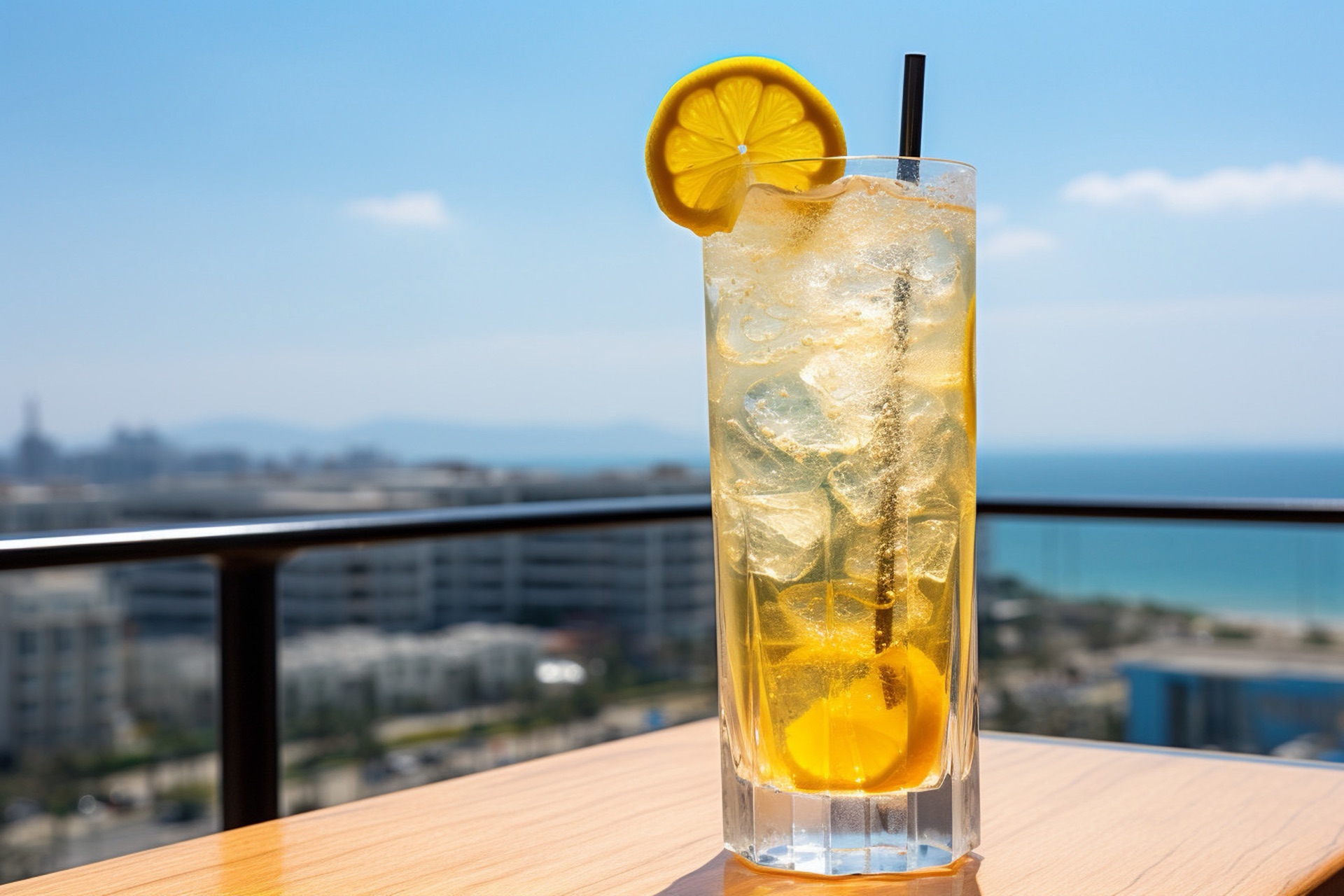
So the upgrade rule is one sentence: swap the essence for fresh citrus and the neutral base for a spirit with character, and keep the drink tall. A tall build (around 2 oz of spirit lengthened with 4 to 6 oz of sparkling water over ice) lands in the same strength neighborhood as the can you're used to. Same session, more flavor.
Start with these
- Ranch water. Tequila, fresh lime, and sparkling mineral water. Three ingredients, bone dry, no sugar to speak of. This is the missing link: it's essentially the seltzer you were always trying to buy.
- The vodka soda, done right. Decent vodka, soda, and half a lime actually squeezed and dropped in, with two dashes of orange bitters if you're feeling fancy. The size of the upgrade is almost embarrassing.
- The paloma. If grapefruit was your go-to can, this is your exit ramp: tequila, fresh grapefruit and lime, a pinch of salt, topped with soda. Bright, a little bitter, extremely repeatable.
- The Tom Collins. Gin, lemon, a little sugar, soda. Tall, bright, and about 150 years ahead of the seltzer trend.
- The Moscow mule. Ginger beer brings sweetness and a peppery burn, which makes this the friendliest first step if bone dry isn't your thing.
- The spritz. Aperol if you want the classic bittersweet one, Hugo (elderflower, prosecco, mint) if you want the one that tastes like a garden party. Both sit at the sessionable end of the strength scale.
Every one of these is a two-minute build with a short shopping list. Our home bar guide covers the six bottles that unlock nearly all of them.
Losing the bubbles
Here's the newer wrinkle: the seltzer aisle itself is going flat, on purpose. The big brands have started rolling out still and low-carbonation "refreshers," the same light, fruity, 5% formula with the fizz turned down or off, because it turns out plenty of people were only tolerating the bubbles.
If that's you, the cocktail canon has been making still seltzers for a century. The same palate, no carbonation:
- The daiquiri. Rum, fresh lime, a little sugar, shaken hard with ice. No fizz, all crisp, and possibly the most misunderstood three-ingredient drink in America. It's not the frozen slush; it's a cold, dry, elegant thing.
- The gimlet. Gin and lime, the daiquiri's even drier cousin.
- The margarita, on the rocks. Fresh lime, real orange liqueur, no mixer bottle anywhere in sight.
- Spiked lemonade, the honest way. Fresh lemon juice, a little sugar, vodka, a mountain of ice. What the still-refresher cans are imitating.
One tip for the transition: shaken drinks carry their own chill and dilution, so serve them properly cold in a chilled glass. Cold and crisp was always the point; the bubbles were just the delivery mechanism.
Keeping it sessionable
The quiet reason seltzer took over is pacing: nobody has to do math on a 5% can. Cocktails can match that if you build them to. Tall drinks with a single 2 oz pour land close to can strength once the ice and soda do their work. Spritzes run even gentler. Drinks served up, like daiquiris and margaritas, are stronger per glass, so treat them as sippers rather than session drinks.
Hosting a crowd of seltzer converts? Pitchers are your friend: our batching guide has the scaling math, and palomas and collinses both batch beautifully.
FAQ
What cocktail is most similar to hard seltzer?
Ranch water: tequila, fresh lime, and sparkling mineral water. It matches seltzer's light, dry, fizzy profile almost exactly, with real citrus instead of flavor essence. A fresh-lime vodka soda is the runner-up.
Are cocktails stronger than hard seltzer?
Not necessarily. A 12 oz can at 5% carries about 0.6 oz of pure alcohol; a highball with a 2 oz pour of 80-proof spirit carries about 0.8 oz, diluted across a tall glass of ice and soda. Drinks served up (martinis, daiquiris) are stronger and meant to be sipped slower.
What should I drink if I like seltzer but not the carbonation?
Try the still, citrus-forward classics: a daiquiri, a gimlet, or a margarita on the rocks. They deliver the same cold, crisp, lightly fruity experience with no bubbles, which is exactly the palate the new still-refresher cans are chasing.
Found a few worth trying? MixKings keeps the recipes, shows you exactly what you can make with the bottles you already own, and puts your menu on the TV when people come over.