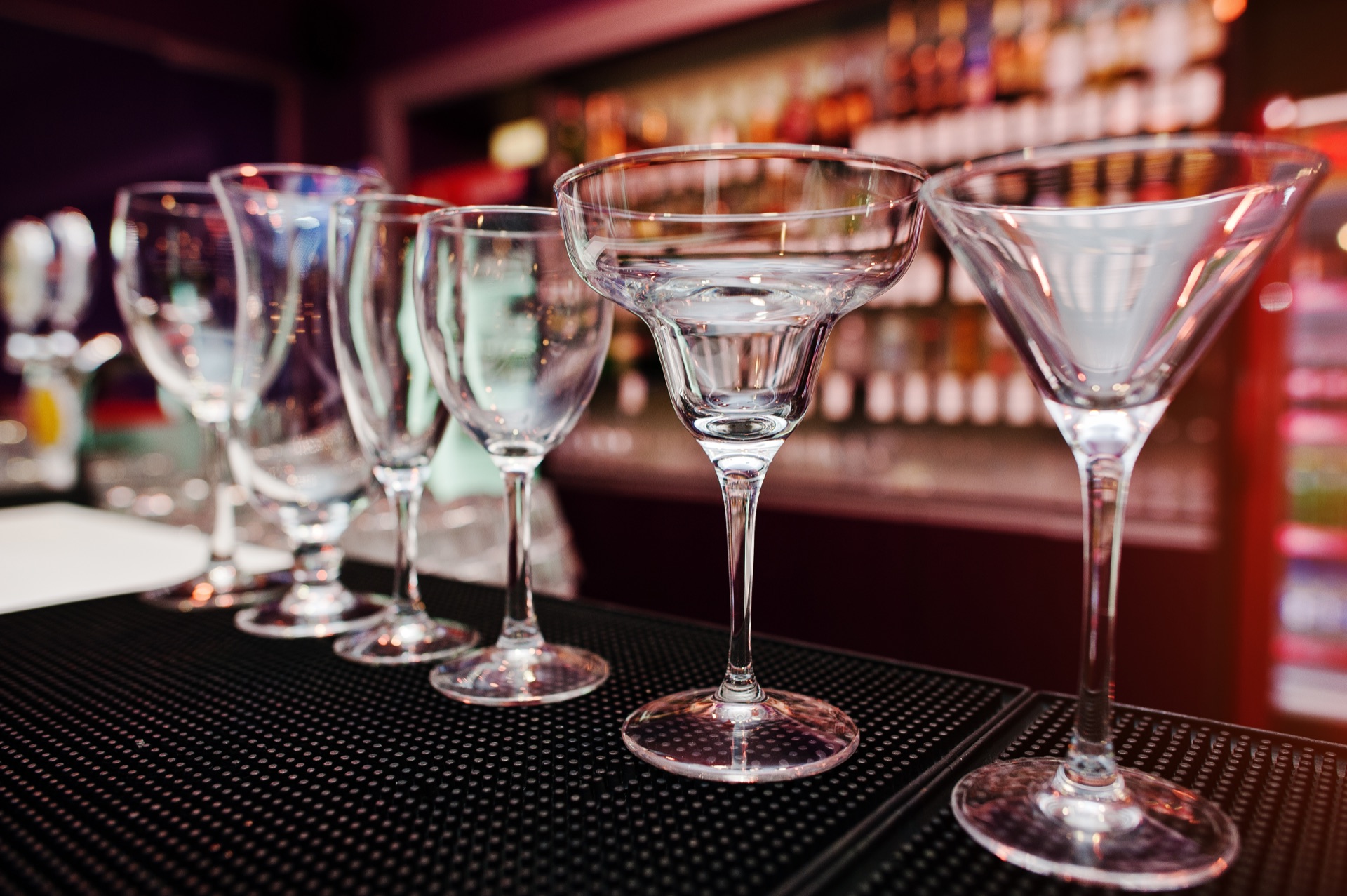
The only glassware guide your home bar needs
Glassware is where home bars go to overspend. There are entire cabinets in this country dedicated to hurricane glasses that have held two hurricanes. So before you buy a set of anything, here's what glass shape actually does, the two shapes that cover nearly everything, and the ones you can happily skip.
Does the glass really matter?
Some, and less than the catalogs suggest. A glass does three real jobs: it controls temperature (a stem keeps your hand off a chilled drink; a heavy tumbler shrugs off big ice), it manages aroma (a narrower rim concentrates it), and it sets expectations (a coupe says someone made this on purpose). That third job is real. Presentation is a scoring category at every cocktail competition for a reason.
What a glass doesn't do is change the recipe. A great margarita in a mason jar beats a mediocre one in crystal, every time.
The two shapes that cover everything
The rocks glass (old fashioned glass). Short, heavy, wide. Anything stirred and strong, anything on ice, anything with a big cube: old fashioneds, negronis, margaritas on the rocks, whiskey neat. If it sits on ice, it goes here.
The coupe. The stemmed saucer. Anything served up, meaning shaken or stirred and strained with no ice: daiquiris, martinis, sidecars, sours. The stem keeps warm hands off a cold drink, and it photographs like a dream. Buy these two shapes, six of each, and you can serve almost the entire canon.
The nice-to-haves
- Highball or collins glasses. Tall and narrow, for lengthened drinks: gin and tonics, palomas, mojitos. The narrow column keeps carbonation lively. If your group leans on bubbly drinks, promote these to essential.
- A pitcher. Not technically glassware, but the single best hosting purchase there is. It turns you from bartender back into host. Our batching guide is built around it.
- Wine glasses you already own. A legitimate spritz glass, a decent stand-in for almost anything up, and nobody at your party will blink.
The skip list
The martini V (tippy, warm-handed, replaced by the coupe), the hurricane (one drink, once a year), the copper mug (a moscow mule accessory, not a need), novelty skull mugs (you know who you are), and any boxed "12-piece cocktail set" where the glasses are thin and the shapes are random. Add a specialty glass when a drink you make constantly earns it, not before.
Care, briefly
Chill the glass, not just the drink: five minutes in the freezer or a scoop of ice water while you mix. Hand-wash stems, and skip scented detergent on anything for aromatic drinks. That's the whole regimen.
FAQ
What glasses do I need for a home bar?
Start with six rocks glasses and six coupes. Those two shapes cover stirred, shaken, up, and on-the-rocks drinks, which is nearly everything. Add highballs if you pour a lot of tall, bubbly drinks.
What's the difference between a coupe and a martini glass?
Both hold drinks served up, but the coupe's rounded bowl is more stable, spills less, and keeps aromas better than the martini's wide V. Most modern bars have switched to coupes for exactly those reasons.
Do cocktail glasses need to be chilled?
For drinks served up, yes, it makes a real difference: a warm glass can undo your careful shaking in a minute. Freezer or ice water, five minutes.
MixKings tracks the glassware note on every recipe, so the right glass is part of the plan, not a scramble.